Why the Rose Bowl Was Not Selected for Major FIFA World Cup 2026 Matches
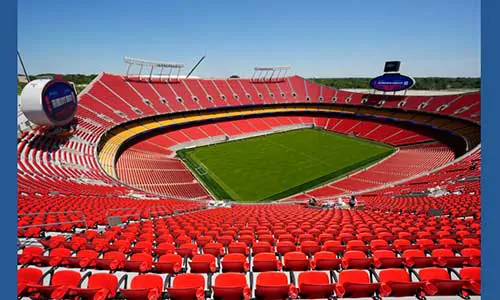
The Rose Bowl in Pasadena, California, is widely regarded as one of the most sacred cathedrals in American sports history. For football fans, the venue evokes a deep sense of nostalgia, having hosted the iconic 1994 Men’s World Cup Final and the historic 1999 Women’s World Cup Final. However, as the highly anticipated FIFA World Cup 2026 draws near, many sports enthusiasts were surprised to learn that this historic landmark will not host a single match during the tournament. Instead, the modern, multi-billion-dollar SoFi Stadium in Inglewood was selected as the sole venue to represent the Los Angeles market.
This decision marked a major shift in how international sports organizations evaluate host venues. While the Rose Bowl possesses unmatched historical significance, the structural, financial, and logistical demands of modern mega-events have evolved dramatically. Understanding why the Rose Bowl was bypassed requires looking beyond seating capacities and diving into the stringent criteria set by FIFA, the commercial realities of modern sports, and the intense regional rivalry between two of Southern California’s premier stadiums.
Table of Contents
- The Historic Legacy of the Rose Bowl and the FIFA World Cup 2026
- Why SoFi Stadium Eclipsed the Rose Bowl for the FIFA World Cup 2026
- Key Reasons Why the Rose Bowl Was Omitted
- Premium Hospitality Needs in the FIFA World Cup 2026
- Infrastructure and Transportation Challenges
- Pitch Dimensions and Structural Adaptability
- Financial Demands and Commercial Realities
- The “One City, One Venue” Strategy
- The Rose Bowl’s Continued Global Influence
- Frequently Asked Questions
The Historic Legacy of the Rose Bowl and the FIFA World Cup 2026
To appreciate why the Rose Bowl’s exclusion came as a shock to many, one must examine its storied relationship with international football. Completed in 1922, the stadium has been the backdrop for some of the most dramatic moments in sporting history. When the United States hosted the tournament in 1994, the Rose Bowl served as the crown jewel of the event, hosting eight matches, including the memorable final where Brazil defeated Italy on penalty kicks. Just five years later, it cemented its place in women’s sports history by hosting the 1999 Women’s World Cup Final, where Brandi Chastain’s decisive penalty kick propelled the U.S. Women’s National Team to victory in front of over 90,000 spectators.
Because of this rich pedigree, the Rose Bowl was originally proposed as a joint host venue for the FIFA World Cup 2026 alongside the newly built SoFi Stadium. Local organizers envisioned a tournament layout where both venues would share hosting duties, blending the historical charm of Pasadena with the futuristic aesthetics of Inglewood. Consequently, fans held onto the hope that the beautiful game would return to the Arroyo Seco. However, FIFA eventually decided to focus exclusively on SoFi Stadium, signaling that sentimentality cannot outweigh the rigorous parameters of modern athletic infrastructure.
Why SoFi Stadium Eclipsed the Rose Bowl for the FIFA World Cup 2026
The primary hurdle for the Rose Bowl was the emergence of SoFi Stadium. Developed by Los Angeles Rams owner Stan Kroenke and opened in 2020, SoFi Stadium is a marvel of contemporary architecture and the most expensive stadium ever constructed, costing upwards of $5 billion. On the other hand, the Rose Bowl is over a century old, and despite several rounds of modern renovations, it remains a classic, single-bowl concrete structure designed in an era long before modern stadium conveniences were conceived.
In the final evaluation, SoFi Stadium became the primary focus of the Los Angeles bid for the FIFA World Cup 2026. To understand the stark physical and technological differences between the two Southern California venues, consider the comparison table below:
| Feature | Rose Bowl Stadium | SoFi Stadium (Los Angeles Stadium) |
|---|---|---|
| Year Opened | 1922 | 2020 |
| Estimated Construction Cost | $272,000 (Adjusted: ~$4.8 million) | $5+ Billion |
| Standard Soccer Capacity | ~88,500 | ~70,000 (Expandable to 100,000) |
| Premium Luxury Suites | 54 (Terry Donahue Pavilion) | 260+ |
| Roof Structure | Fully Open-Air | Translucent ETFE Canopy (Semi-Closed) |
| Primary Transit Access | Remote shuttle buses & surface lots | Metro K-Line & freeway adjacent |
While the Rose Bowl holds a clear advantage in raw seating capacity, SoFi Stadium excels in every modern technological metric, from its indoor-outdoor canopy design to the massive, double-sided 4K Samsung Infinity Screen hanging above the field. These state-of-the-art features proved decisive when FIFA officials toured both properties during the evaluation phase.
Key Reasons Why the Rose Bowl Was Omitted
While the visual contrast between the two stadiums is obvious, the administrative decisions that led to the Rose Bowl’s exclusion were based on specific, operational criteria. FIFA’s selection process for the tournament is highly standardized, leaving very little room for error. Let us examine the critical factors that ultimately prevented the Rose Bowl from securing hosting rights.
Premium Hospitality Needs in the FIFA World Cup 2026
Corporate hospitality is a crucial financial element for the FIFA World Cup 2026. FIFA generates billions of dollars in revenue through the sale of high-end, VIP ticket packages, executive boxes, and specialized club lounges. To satisfy these lucrative corporate partnerships, host stadiums must offer extensive premium seating configurations.
SoFi Stadium was built from the ground up with corporate hospitality in mind, featuring over 260 luxury suites and a multitude of private clubs located at various levels of the facility. Conversely, the Rose Bowl’s premium options are highly limited. Although the construction of the Terry Donahue Pavilion in 2013 added modern press boxes and 54 luxury suites, it simply cannot compete with the sheer volume and luxury of SoFi’s offerings. The lack of premium inventory meant the Rose Bowl could not guarantee the revenue generation capacity that FIFA expects from a primary host venue.
Infrastructure and Transportation Challenges
Another major factor working against the Rose Bowl is its geographic location and surrounding infrastructure. Sited inside the picturesque Arroyo Seco canyon, the stadium is surrounded by residential Pasadena neighborhoods and winding, narrow roads. While this makes for an incredibly scenic setting, it creates a notorious logistical bottleneck during major events.
Getting tens of thousands of fans in and out of the Rose Bowl is historically difficult. Because there is no direct rail access to the stadium gate, spectators must rely on remote shuttle buses operating from the Parsons parking lot in Old Town Pasadena, or face hours of gridlock in the canyon’s limited surface parking lots. In contrast, SoFi Stadium is located in the heart of Inglewood, adjacent to major freeways, closer to Los Angeles International Airport (LAX), and supported by a robust network of modern public transportation, including direct connections to the Metro rail system. This ease of access is vital for managing the massive influx of international tourists expected for the tournament.
Pitch Dimensions and Structural Adaptability
International soccer matches require highly precise pitch dimensions. According to the official guidelines, a standard World Cup pitch must be exactly 105 meters long by 68 meters wide, with additional grass runoff areas along the sidelines to ensure player safety. This requirement poses a significant challenge for many stadiums designed primarily for American football, which has a narrower playing field.
Surprisingly, both Southern California stadiums faced issues regarding pitch width. SoFi Stadium’s concrete field wall boundary was originally constructed too narrow for soccer, requiring a multi-million-dollar renovation to retract seats in the corner sections to accommodate the wide grass field. However, because SoFi is a newly engineered facility, making these structural modifications was highly feasible. On the other hand, the Rose Bowl is a rigid, continuous concrete bowl. Modifying the historic structure to expand the pitch width, install advanced drainage systems, and construct modern player tunnels would have required invasive, prohibitively expensive structural alterations that the city of Pasadena was hesitant to authorize.
Financial Demands and Commercial Realities
Securing a spot as a host city is not just a matter of civic pride; it is a complex financial negotiation. FIFA’s venue agreements place a substantial financial burden on local host committees and municipal governments. Stadium owners and local taxpayers are often required to fund stadium upgrades, provide tax exemptions, and manage security operations, while FIFA retains the vast majority of direct ticketing, marketing, and sponsorship revenues.
For a municipally owned historic landmark like the Rose Bowl, complying with these strict commercial terms presented major challenges. Jens Weiden, the General Manager of the Rose Bowl, noted that the FIFA model requires cities and taxpayers to fund highly specific facility improvements while surrendering almost all direct event revenues. For Pasadena, a city that must carefully balance its public budget, the financial risks of hosting multiple matches under these stringent guidelines ultimately outweighed the potential economic benefits, especially when a privately funded alternative like SoFi Stadium was readily available nearby.
The “One City, One Venue” Strategy
Throughout the bid evaluation process, FIFA made it clear that they intended to select exactly 16 host cities across the United States, Canada, and Mexico. To ensure geographic diversity and maximize national coverage, FIFA generally avoided selecting multiple stadiums within the same metropolitan area. Consequently, the Los Angeles region was always highly unlikely to receive two hosting slots.
With SoFi Stadium representing the absolute cutting edge of stadium design and the Rose Bowl representing the historical past, the choice for FIFA was straightforward. While the Rose Bowl was part of the initial joint bid, FIFA eventually decided to focus its resources on a single, state-of-the-art venue in Inglewood. By consolidating its Los Angeles operations at SoFi Stadium, FIFA could streamline logistics, concentrate security forces, and offer a unified experience for athletes and corporate partners alike.
The Rose Bowl’s Continued Global Influence
Although missing out on the tournament is a disappointment for Pasadena, it does not diminish the Rose Bowl’s position as a legendary sporting institution. The venue continues to thrive, hosting major international club friendlies, the annual Rose Bowl Game, UCLA Bruins college football matches, and massive music concerts. Its ability to regularly draw crowds of over 80,000 fans for soccer matches, such as the famous “El Tráfico” rivalry matches between the LA Galaxy and LAFC, proves that its appeal remains as strong as ever.
Furthermore, the Rose Bowl is poised to play an important role in the near future. The stadium is scheduled to serve as a key venue for the 2028 Summer Olympics, demonstrating its enduring utility on the global stage. While the modern commercial requirements of the FIFA World Cup 2026 favored the hyper-luxurious SoFi Stadium, the Rose Bowl’s historic charm, open-air atmosphere, and deep connection to the history of American soccer will safeguard its legacy for generations to come.
Frequently Asked Questions
1. Why isn’t the Rose Bowl hosting matches in the FIFA World Cup 2026?
The Rose Bowl was not selected because it lacks the modern corporate hospitality infrastructure, such as extensive luxury suites, required by FIFA’s commercial model. Additionally, its geographic location in a residential canyon presents significant transportation, parking, and traffic challenges compared to newer venues.
2. Which stadium in Los Angeles was chosen for the FIFA World Cup 2026?
SoFi Stadium, located in Inglewood, was chosen as the exclusive host venue for the Los Angeles market. For commercial and branding reasons during the tournament, FIFA officially refers to it as the “Los Angeles Stadium.”
3. Did the Rose Bowl bid to host matches for the FIFA World Cup 2026?
Yes, the Rose Bowl was part of the original joint bid submitted by the Los Angeles World Cup Host Committee alongside SoFi Stadium. The initial goal was to have both venues share hosting duties, but FIFA ultimately decided to select only one venue per metropolitan area.
4. How does the capacity of the Rose Bowl compare to SoFi Stadium?
The Rose Bowl has a larger standard capacity, seating approximately 88,500 spectators for soccer matches. SoFi Stadium normally seats around 70,000, though it can be expanded to 100,000 for special events. However, FIFA’s seating configuration requirements slightly restrict SoFi’s capacity for tournament matches.
5. What are FIFA’s pitch size requirements for the FIFA World Cup 2026?
FIFA requires a natural grass pitch measuring exactly 105 meters long by 68 meters wide, with spacious safety runoff zones around the perimeter. Many American football stadiums are built too narrow to meet these standards without temporary or permanent modifications to their lower bowl seating.
6. Will SoFi Stadium host the final match of the FIFA World Cup 2026?
No, the final match will not be held at SoFi Stadium. While SoFi Stadium was initially a strong contender to host the championship game, FIFA awarded the final match to MetLife Stadium in East Rutherford, New Jersey, near New York City, due to time zone advantages and larger seating capacities.
Conclusion
Ultimately, the Rose Bowl’s omission from the tournament is a reminder of the evolving landscape of international sports. While fans will miss the nostalgic, open-air charm of Pasadena’s historic concrete bowl, the transition to SoFi Stadium reflects a broader trend toward prioritizing modern corporate hospitality, seamless transportation infrastructure, and highly adaptable stadium engineering. Despite this, the Rose Bowl’s place in football history remains secure. For more details on tournament preparations and matches, you can visit the official FIFA website or explore upcoming local events at the official Rose Bowl Stadium website.
What are your thoughts on this stadium choice? Do you prefer the rich history of the Rose Bowl or the futuristic luxury of SoFi Stadium? Share this article on social media and join the conversation as we look forward to the return of world-class football to North America!