FIFA World Cup 2026 Tickets: How to Avoid Resale Scams and Fake Listings
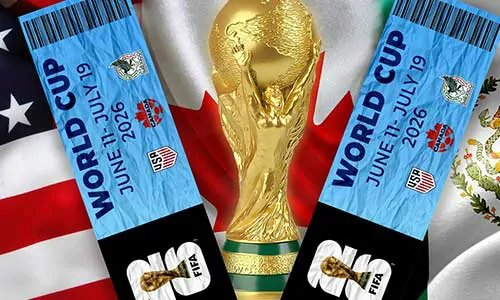
The excitement surrounding the FIFA World Cup 2026 is reaching an unprecedented level as millions of football fans around the globe prepare for the historic kickoff in June 2026. Taking place across 16 host cities in the United States, Canada, and Mexico, this tournament represents the largest and most geographically expansive event in international sports history. Consequently, the demand for admission has reached historic highs, with FIFA registering over 150 million ticket requests during the initial sales windows. Unfortunately, this massive global frenzy has also attracted highly sophisticated networks of online scammers, scalpers, and cybercriminals looking to exploit the urgency of fans. In order to secure your spot in the stands and avoid losing thousands of dollars, obtaining legitimate FIFA World Cup 2026 tickets requires vigilance, careful research, and a clear understanding of the digital threat landscape.
Table of Contents
- Why the FIFA World Cup 2026 Is a Premier Target for Scammers
- The “Ghost Stadium” Cybersecurity Threat
- Common Types of FIFA World Cup 2026 Ticket Scams
- Red Flags of a FIFA World Cup 2026 Ticket Scam
- How to Safely Buy FIFA World Cup 2026 Tickets
- What to Do If You Have Been Scammed
- Frequently Asked Questions About FIFA World Cup 2026 Tickets
Why the FIFA World Cup 2026 Is a Premier Target for Scammers
Major international sporting events naturally create the perfect breeding ground for online fraudulent activities. Because tickets are highly limited and matches sell out within minutes, fans often experience intense feelings of FOMO (Fear of Missing Out). This emotional pressure frequently drives buyers to act impulsively, making them more likely to overlook standard security precautions in their rush to secure admission. Furthermore, because of the decentralized nature of the tournament being held across three different countries, travel plans, accommodations, and match tickets are often sold in bundled packages, giving fraudsters ample opportunities to slip fake offers into seemingly legitimate deals.
Recent reports from prominent cybersecurity firms have revealed a massive surge in malicious infrastructure targeting the tournament. Specifically, between March and May 2026, researchers identified a 900% increase in fraudulent World Cup-related domains, with more than 13,000 suspicious websites registered. Many of these portals imitate official branding to promote fake tickets or counterfeit merchandise. Therefore, understanding the underlying tactics used by these threat actors is crucial for anyone hoping to attend a match safely.
The “Ghost Stadium” Cybersecurity Threat
One of the most concerning discoveries made by security researchers in late May 2026 was the emergence of a highly sophisticated cybercriminal operation dubbed “Ghost Stadium.” This threat group built a pixel-perfect clone of the official ticketing website, incorporating a fully functional authentication flow. This means that when fans attempted to log in, the site harvested their actual account credentials, allowing the hackers to steal high-value Personal Identifiable Information (PII) and credit card data. Meanwhile, the Federal Bureau of Investigation (FBI) issued an urgent Public Service Announcement warning the public about these cloned websites. Consequently, clicking on sponsored search engine results or unverified social media links has become more dangerous than ever before.
Common Types of FIFA World Cup 2026 Ticket Scams
To avoid falling victim to fraudsters, you must first familiarize yourself with the specific methods they use to target consumers. The following sections outline the most prevalent types of ticketing scams appearing in the lead-up to the tournament.
1. Cloned FIFA Ticketing Websites (Typo-Squatting)
Typo-squatting involves registering website domains that feature minor misspellings of the official brand name. In this case, attackers have registered addresses such as fifa[.]cam, 26-fifa[.]com, and fifa[.]fund. When a user accidentally types one of these addresses or clicks on a misleading link, they are directed to a page that looks virtually identical to the real platform. These websites display official logos, marketing images, and real-time countdown clocks to simulate legitimacy. However, instead of utilizing secure official payment gateways, these cloned platforms direct payments to unverified commercial accounts, stealing your money without ever delivering a ticket.
2. Fake Secondary Listings and Social Media Scalpers
Social media platforms have become heavily flooded with advertisements for secondary ticket sales. Meta’s ad library recently revealed dozens of active campaigns run by pages posing as legitimate ticket retailers. These advertisements often redirect users to spoofed resale platforms, such as seatgaekes[.]com (cloning the popular ticket marketplace SeatGeek). In addition, individual sellers on platforms like Facebook Groups, Reddit, and X (formerly Twitter) frequently claim they have spare tickets they need to sell quickly due to “family emergencies” or “travel issues.” Once the victim sends money via a non-refundable peer-to-peer payment app, the seller immediately deletes their account and disappears.
3. Paper Tickets and Screenshot Scams (The Mobile-Only Era)
Crucially, the entry process for the FIFA World Cup 2026 relies entirely on mobile-only, digital ticketing. FIFA does not issue physical paper tickets, nor does it provide static PDF files containing printable barcodes or QR codes. Legitimate tickets are delivered dynamically via the official ticketing application, utilizing rotating security keys that update every few seconds to prevent duplication. Therefore, if a seller offers to mail you a paper copy of a ticket or sends you a screenshot of a QR code via email, they are selling you a completely useless and fraudulent duplicate. Screenshots will not be accepted at any stadium gates.
4. Phishing Emails and Fake Travel Bundle Offers
Phishing campaigns remain a highly effective tool for cybercriminals. Scammers send out mass emails mimicking official FIFA communications, claiming that the recipient has won a ticket lottery or has a “last-chance opportunity” to purchase VIP seats. These emails contain links to phishing sites designed to capture financial details. Additionally, unauthorized travel agencies promote bundle deals that promise flights, hotel rooms, and guaranteed match tickets at highly discounted rates. In reality, these agencies have no affiliation with the event organizers and cannot deliver the promised tickets.
Red Flags of a FIFA World Cup 2026 Ticket Scam
Staying safe requires learning how to identify suspicious behavior before completing any financial transaction. Below is a detailed comparison table highlighting key differences between fraudulent practices and legitimate purchasing channels.
| Scam Indicator (Red Flag) | Legitimate Indicator (Safe) |
|---|---|
| Websites with minor spelling errors in the URL (e.g., alternative top-level domains like .cam, .fund). | The website address is exactly FIFA.com/tickets, secured with a valid HTTPS certificate. |
| Sellers offering physical paper tickets, printed PDF barcodes, or static screenshots of QR codes. | Tickets are delivered exclusively inside the official digital ticketing mobile application with dynamic, rotating codes. |
| Demand for payment via peer-to-peer apps (Zelle, Venmo), wire transfers, cryptocurrency, or gift cards. | Payments are processed via secure credit card transactions (Visa is the official payment technology partner). |
| Deals that seem too good to be true, offering premium category seats at prices far below market average. | Pricing is transparent, standard, and reflects the actual high demand of a major world tournament. |
| High-pressure sales tactics urging you to buy instantly within a few minutes to avoid losing the deal. | The platform offers structured, secure checkout steps with ample time to review transaction details. |
How to Safely Buy FIFA World Cup 2026 Tickets
To secure genuine tickets for the FIFA World Cup 2026, your primary step should always be utilizing official, authorized platforms. By following the security strategies detailed below, you can minimize your risk of fraud and ensure that your ticket is valid on match day.
1. Buy Directly from the Official FIFA Ticket Portal
The single most secure method to purchase tickets is to go directly to the official source. Rather than searching Google for general terms like “buy World Cup tickets”—which can lead to sponsored ads linking to cloned websites—type FIFA.com/tickets directly into your browser’s address bar. This guarantees that you are interacting with the genuine ticketing portal managed by FIFA. Additionally, make sure to download the official mobile app only from trusted marketplaces like the Apple App Store or Google Play Store.
2. Rely on the Official FIFA Resale Marketplace
For fans who missed out on the initial sales draw, FIFA operates an official peer-to-peer Resale/Exchange Marketplace. This platform allows fans who can no longer attend a match to resell their tickets at face value. Crucially, when a transaction occurs on the official resale platform, the original ticket is canceled, and a brand-new, uniquely tokenized digital ticket is generated and transferred directly to the buyer’s account. This remains the only 100% secure method to purchase aftermarket tickets.
3. Use Reputable Secondary Platforms with Extreme Caution
While FIFA’s official policy states that tickets purchased outside its official website are technically unauthorized and may be canceled, many fans still turn to established secondary ticket marketplaces. Major US-based resale platforms like StubHub, SeatGeek, and Vivid Seats offer robust buyer guarantees. These guarantees promise that if your ticket is invalid, the platform will either find a replacement ticket or issue a full refund. However, you must remember that receiving a monetary refund at the gate does not make up for missing a once-in-a-lifetime match. Consequently, buying directly from FIFA’s portal should always be your preferred option.
4. Always Pay with a Credit Card
When purchasing tickets, the method of payment you select acts as a vital line of defense. Never agree to pay a seller using direct bank wires, cashier’s checks, or mobile payment services like Zelle, Venmo, or Cash App. These transactions are virtually untraceable, and once the money is sent, it is gone permanently. Instead, always use a major credit card. Credit card transactions are subject to federal consumer protection regulations, such as those provided by the Federal Trade Commission (FTC), which allow you to dispute unauthorized or fraudulent charges and secure a chargeback.
What to Do If You Have Been Scammed
If you realize that you have accidentally purchased a fake ticket or entered your personal details on a cloned website, you must act quickly to mitigate the damage. Taking the following steps immediately can protect your financial accounts and help law enforcement track down the perpetrators.
- Contact Your Financial Institution: Immediately call the bank or credit card company used for the transaction. Request to block your card, report the transaction as fraudulent, and initiate a chargeback dispute.
- Change Your Account Credentials: If you entered a username and password into a cloned website, change your passwords immediately across all your online accounts—especially if you reuse passwords across multiple sites.
- File a Law Enforcement Report: In the United States, file an official complaint with the FBI’s Internet Crime Complaint Center (IC3) at ic3.gov. In Canada, contact the Canadian Anti-Fraud Centre.
- Report the Scammer to the Platform: If you encountered the fraud on a social media network or a classifieds site, report the user’s profile and advertisements to the platform administrators to prevent them from targeting other victims.
Frequently Asked Questions About FIFA World Cup 2026 Tickets
Q1: Can I buy tickets directly at the stadium gates?
No, tickets will not be sold at the stadium gates on match day. All ticketing is managed digitally in advance through the official channels. Any individual attempting to sell physical tickets outside the venue is operating an unauthorized and likely fraudulent resale.
Q2: Are paper tickets or printed PDFs valid for entry?
No. The entry process relies exclusively on mobile-only digital tickets. Static barcodes, PDF printouts, and screenshots of QR codes are completely invalid and will be rejected by the scanners at the gate.
Q3: What is the official website to purchase FIFA World Cup 2026 tickets?
The only official and verified source to buy tickets directly is the official portal located at FIFA.com/tickets.
Q4: How does the official FIFA Ticket Resale Marketplace work?
The official resale platform allows ticket holders to securely sell their unwanted tickets back into the system. Once purchased, the old ticket is deactivated, and a secure, new mobile ticket is transferred directly to the new buyer’s official app.
Q5: Is it safe to buy tickets from secondary markets like StubHub or SeatGeek?
While platforms like StubHub and SeatGeek offer buyer protection guarantees that can refund your money if a ticket is fraudulent, they cannot guarantee entry if FIFA cancels an unauthorized transfer. For maximum safety, stick to the official ticketing portal.
Q6: What should I do if a seller asks for payment via Zelle or Venmo?
This is a major red flag. Avoid completing the transaction. Legitimate ticketing platforms and secure peer-to-peer sales do not rely on non-refundable payment apps. Only use payment methods that offer built-in buyer protections, such as a major credit card.
Conclusion: Protect Your World Cup Journey
The historic nature of the FIFA World Cup 2026 means that tickets will remain highly coveted, and cybercriminals will continue to refine their fraudulent tactics until the final whistle blow. However, by maintaining your awareness, relying strictly on official channels, and avoiding the temptation of unrealistic deals, you can easily protect yourself from these schemes. Do not let scammers ruin your tournament experience. Always buy directly from official platforms, double-check website URLs, and utilize credit cards for all transactions to ensure your journey to the stadiums of North America is secure and enjoyable.