FIFA World Cup 2026 Hosts: USA, Canada and Mexico City Guide
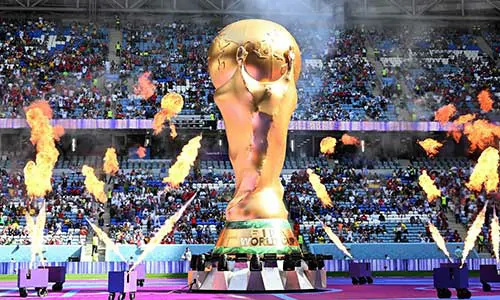
As football fans worldwide gear up for the most anticipated sporting event on the planet, the FIFA World Cup 2026 is poised to redefine the scale of global tournament hosting. For the first time in history, the tournament will feature 48 competing nations playing a total of 104 matches. This massive expansion comes with an equally historic hosting arrangement, as three powerhouse nations—the United States, Canada, and Mexico—join forces to welcome the world. Whether you are a die-hard supporter or a casual traveler, this comprehensive city guide serves as your ultimate companion to navigating the 16 vibrant host cities of the FIFA World Cup 2026.
Table of Contents
- Why the FIFA World Cup 2026 Will Make History
- The United States Host Cities
- Canada Host Cities
- Mexico Host Cities
- Summary Table of Cities & Stadiums
- Essential Travel Guide for Spectators
- How to Secure Tickets and Stadium Rules
- Frequently Asked Questions (FAQs)
Why the FIFA World Cup 2026 Will Make History
The FIFA World Cup 2026 marks a significant milestone in sports history. By expanding the tournament format from 32 to 48 teams, the world will witness more matches, more dramatic narratives, and broader representation from every corner of the globe. This means 104 high-stakes matches played over a thrilling 39-day period, starting on June 11 and culminating in the grand final on July 19, 2026.
Additionally, the collaborative efforts of the host nations offer a unique cultural tapestry. Mexico becomes the first country to host matches across three different editions (1970, 1986, and 2026). Meanwhile, the United States welcomes back the tournament after its highly successful 1994 iteration. Canada completes the trio, marking its debut as a host for the men’s tournament. Consequently, this tournament promises to deliver an unprecedented experience of diversity, scale, and modern stadium innovations.
The United States Host Cities: A Massive FIFA World Cup 2026 Stage
The United States will host the majority of the matches, utilizing 11 world-class stadiums spread across distinct geographical regions. Here is what you need to know about each US host city, its venue, and local highlights.
1. New York/New Jersey (MetLife Stadium)
Located in East Rutherford, New Jersey, MetLife Stadium has been selected as the prestigious venue for the FIFA World Cup 2026 Final on July 19, 2026. Boasting a seating capacity of over 82,000, this open-air venue is easily accessible from Manhattan via the NJ Transit rail system. Visitors can easily combine world-class football matches with Broadway shows, high-end shopping, and iconic landmarks like the Statue of Liberty.
2. Los Angeles (SoFi Stadium)
Situated in Inglewood, California, SoFi Stadium is a state-of-the-art architectural masterpiece. It features a translucent, sweeping canopy and a colossal double-sided 4K video board. As the host venue for the United States Men’s National Team (USMNT) opening match, SoFi Stadium will be an epic center of American soccer passion. Outside the stadium, fans can enjoy Southern California’s iconic beaches, Hollywood studio tours, and legendary dining scenes.
3. Dallas (AT&T Stadium)
Affectionately known as “Jerry World,” AT&T Stadium in Arlington, Texas, is famous for its retractable roof and one of the largest high-definition video screens in the world. Dallas will host multiple knockout stage matches, making it a critical hub of the tournament. Between matches, fans can explore the historic Fort Worth Stockyards, sample legendary Texas barbecue, or visit the Dallas Arts District.
4. Miami (Hard Rock Stadium)
Hard Rock Stadium in Miami Gardens offers a distinct, high-energy tropical atmosphere. With its canopy protecting spectators from the elements, it is well-suited for high-octane fixtures. Miami’s unique blend of Latin culture, pristine beaches, and artistic neighborhoods like Wynwood makes it a top-tier destination for international travelers looking to experience a festive fan culture.
5. Atlanta (Mercedes-Benz Stadium)
Known for its revolutionary pinwheel retractable roof and highly affordable fan-first food concessions, Mercedes-Benz Stadium is located right in downtown Atlanta. The city offers rich civil rights history, beautiful parks, and top attractions such as the Georgia Aquarium and the World of Coca-Cola, all connected via convenient public transit.
6. Boston (Gillette Stadium)
Located in Foxborough, Massachusetts, Gillette Stadium sits within a region deeply steeped in American sports history. Traveling fans can easily explore Boston’s historic Freedom Trail, enjoy fresh New England clam chowder, or take scenic road trips along the picturesque Massachusetts coastline.
7. Houston (NRG Stadium)
NRG Stadium features a flexible retractable roof and has hosted some of the biggest sporting events in America. Houston is recognized as one of the most culturally diverse cities in the United States, offering visitors an incredible culinary landscape, world-class museum districts, and the iconic Space Center Houston.
8. Kansas City (GEHA Field at Arrowhead Stadium)
Holding the Guinness World Record for the loudest outdoor stadium, Arrowhead Stadium promises an electric, high-volume matchday environment. Kansas City is the ultimate destination for barbecue enthusiasts and jazz lovers, offering a warm and welcoming Midwest welcome to traveling fans.
9. Philadelphia (Lincoln Financial Field)
Commonly referred to as “Linc,” this eco-friendly stadium is highly accessible from downtown Philadelphia. As the historic birthplace of America, Philly offers fans the chance to visit Independence Hall and the Liberty Bell, while savoring the city’s legendary street food, including the authentic Philly cheesesteak.
10. San Francisco Bay Area (Levi’s Stadium)
Situated in Santa Clara, California, Levi’s Stadium is located in the high-tech heart of Silicon Valley. Fans can enjoy the mild California weather, explore the scenic waterfronts of San Francisco, visit local tech campuses, or take a quick day trip to the historic wineries of Napa Valley.
11. Seattle (Lumen Field)
Lumen Field is famous for its steep seating bowl that amplifies crowd noise, creating an incredible home-field advantage. Positioned adjacent to downtown Seattle, the venue allows fans to walk directly from the matches to iconic local spots like Pike Place Market and the historic Pioneer Square.
Canada Host Cities: Preparing for the FIFA World Cup 2026
Canada is set to showcase its spectacular natural landscapes and highly welcoming cities through its two prominent hosting venues. Here is what to expect from the Canadian leg of the tournament.
1. Toronto (Toronto Stadium / BMO Field)
Located along the scenic shoreline of Lake Ontario, Toronto Stadium is being temporarily expanded to accommodate over 45,000 fans for the tournament. Toronto is Canada’s largest and most cosmopolitan metropolis, celebrated for its extreme multiculturalism. Visitors can easily explore the iconic CN Tower, visit the historic Distillery District, and dine in vibrant ethnic neighborhoods representing every corner of the world.
2. Vancouver (BC Place)
Set against a stunning backdrop of snow-capped mountains and the Pacific Ocean, BC Place in Vancouver is famous for its cable-supported retractable roof. It is highly regarded as one of North America’s premier stadium venues. Vancouver is a paradise for outdoor enthusiasts, offering visitors the unique opportunity to go hiking, cycling in Stanley Park, and sailing all in a single day.
Mexico Host Cities: Historic Arenas for the FIFA World Cup 2026
Mexico brings a profound football heritage and vibrant cultural festivities to the tournament. It will feature three spectacular host venues that have long captured the imagination of football fans worldwide.
1. Mexico City (Estadio Azteca)
As a historic cathedral of global football, Estadio Azteca will make history as the first stadium to host matches in three separate World Cups. Crucially, the venue will host the highly anticipated opening match of the FIFA World Cup 2026 on June 11, 2026. Mexico City is a massive, bustling metropolis boasting rich Aztec ruins, grand colonial architecture, and a world-renowned culinary scene that ranges from simple street-side taco stands to high-end dining spots.
2. Guadalajara (Guadalajara Stadium / Estadio Akron)
Located in Zapopan, Guadalajara Stadium features a unique, eco-friendly design that seamlessly blends into the surrounding landscape. Guadalajara is widely recognized as the cultural heart of Mexico, serving as the birthplace of mariachi music and tequila. Fans can look forward to exploring historic plazas and sampling local culinary specialties like tortas ahogadas.
3. Monterrey (Monterrey Stadium / Estadio BBVA)
Often referred to as “El Gigante de Acero” (The Steel Giant), Estadio BBVA boasts what is widely considered one of the most beautiful stadium backdrops in the world, with direct views of the dramatic Cerro de la Silla mountain. Monterrey is a modern, thriving industrial powerhouse surrounded by breathtaking mountain ranges, making it perfect for adventure seekers and hikers.
Summary Table of the FIFA World Cup 2026 Host Cities
To help you easily visualize the layout of the tournament, the table below summarizes the key details of the 16 host cities, their stadiums, and their designated capacities.
| Country | Host City | Stadium Name | Approximate Capacity |
|---|---|---|---|
| United States | New York/New Jersey | MetLife Stadium | 82,500 |
| United States | Los Angeles | SoFi Stadium | 70,000 |
| United States | Dallas | AT&T Stadium | 80,000 |
| United States | Miami | Hard Rock Stadium | 64,700 |
| United States | Atlanta | Mercedes-Benz Stadium | 71,000 |
| United States | Boston | Gillette Stadium | 65,800 |
| United States | Houston | NRG Stadium | 72,200 |
| United States | Kansas City | Arrowhead Stadium | 76,400 |
| United States | Philadelphia | Lincoln Financial Field | 69,700 |
| United States | San Francisco Bay Area | Levi’s Stadium | 68,500 |
| United States | Seattle | Lumen Field | 69,000 |
| Canada | Toronto | Toronto Stadium (BMO Field) | 45,000 |
| Canada | Vancouver | BC Place | 54,500 |
| Mexico | Mexico City | Estadio Azteca | 83,000 |
| Mexico | Guadalajara | Estadio Akron | 48,000 |
| Mexico | Monterrey | Estadio BBVA | 51,000 |
How to Prepare for Your FIFA World Cup 2026 Travel Adventure
Traveling across three massive countries during a major tournament requires meticulous planning. Below are essential strategies to ensure you enjoy a smooth and stress-free travel experience.
Cross-Border Visas and Entry Documents
Because the tournament is spread across the US, Canada, and Mexico, you will likely need to navigate different immigration systems. For example, visitors entering the United States may require an ESTA or a B1/B2 visa. On the other hand, entering Canada might require an Electronic Travel Authorization (eTA) or a Temporary Resident Visa. Always check the official government portals of each country months in advance of your journey to secure the correct documentation.
Managing Inter-City Transportation
Due to the vast distances between host cities, flying is the most efficient option for long-distance travel. However, for regional trips—such as traveling between New York, Boston, and Philadelphia—utilizing passenger rail networks like Amtrak is highly convenient and environmentally friendly. Within the cities, public transit networks, shuttle buses, and designated rideshares will be the best options to avoid heavily congested stadium parking areas.
Securing Accommodations Early
With millions of fans traveling for the tournament, hotel and short-term rental availability will be extremely limited. Consequently, securing accommodation well ahead of your travel dates is highly recommended. To find the best rates, consider staying in well-connected suburban neighborhoods situated just outside the immediate metropolitan centers.
How to Secure Tickets and Smart Stadium Rules
To protect yourself against ticket fraud, only purchase match tickets through official FIFA ticket portals. FIFA relies on secure, digital-only ticketing systems, meaning paper tickets or third-party screenshots are not valid for stadium entry.
Furthermore, each host stadium enforces strict security policies to protect spectators. For instance, most venues in the United States and Canada enforce a strict clear-bag policy, limiting the size and type of bags you can bring inside. Plan ahead by reviewing the stadium-specific guidelines on the official host city websites before setting off on matchday.
For official tournament news, schedules, and verified ticketing updates, please visit the Official FIFA Website. To explore travel opportunities and tourism resources across the United States, check out Visit The USA.
FIFA World Cup 2026 Frequently Asked Questions (FAQs)
When does the FIFA World Cup 2026 start and end?
The tournament officially kicks off on June 11, 2026, with the opening match in Mexico City, and concludes with the final match on July 19, 2026, in East Rutherford, New Jersey.
Which city will host the FIFA World Cup 2026 final match?
The final match will be hosted at MetLife Stadium in East Rutherford, New Jersey (New York/New Jersey area) on July 19, 2026.
Do I need different visas to travel between the US, Canada, and Mexico?
Yes. Each nation maintains its own immigration rules. Depending on your nationality, you may need separate visas or digital travel authorizations (like ESTA for the US and eTA for Canada) to move between the host countries.
How many teams are participating in the FIFA World Cup 2026?
For the first time in history, the tournament has expanded to feature 48 teams competing in 104 matches.
Are the matches played on natural grass or artificial turf?
In accordance with FIFA standards, all matches throughout the tournament will be played on high-quality, natural grass surfaces, requiring several host stadiums with artificial turf to temporarily install grass fields.
Where can I safely buy official match tickets?
Official tickets are sold exclusively through the FIFA ticketing portal. To avoid scams and counterfeit tickets, fans are strongly advised against buying from unauthorized secondary marketplaces.
Conclusion
The FIFA World Cup 2026 is set to be a spectacular celebration of football, culture, and community across North America. Spanning across 16 dynamic host cities, the event offers a unique opportunity to explore iconic metropolitan landmarks, experience rich local traditions, and witness sporting history in the making. By organizing your visas, booking accommodations early, and understanding transit options, you can ensure a highly rewarding and memorable journey.
Are you planning to attend any matches? Which host city are you most excited to visit? Share your thoughts and travel itineraries in the comments section below, and subscribe to our newsletter for more real-time tournament guides!