FIFA World Cup 2026 Dynamic Pricing: Why Ticket Costs Change Over Time
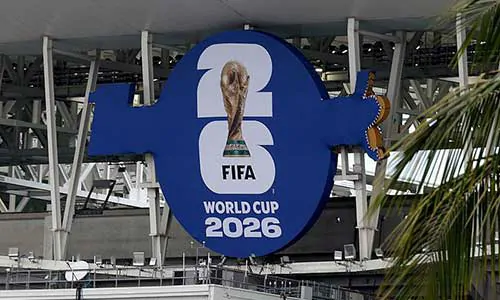
The countdown has officially begun. Millions of football fans across the globe are preparing for the highly anticipated FIFA World Cup 2026, which will be co-hosted by the United States, Canada, and Mexico. While the expansion to 48 teams promises more matches and thrilling action than ever before, it also introduces significant changes to how fans secure their seats. Chief among these structural changes is the introduction of dynamic pricing for the FIFA World Cup 2026, a move that has fundamentally altered the ticketing landscape.
Historically, securement of World Cup tickets relied on flat-rate structures distributed through early lottery phases. However, the 2026 edition embraces an algorithm-driven, market-responsive pricing strategy. Consequently, ticket prices are no longer static; they fluctuate continuously based on demand, seating category, and timing. In this comprehensive guide, we will analyze why ticket costs are changing, how the system works, and what you can do to navigate these changes successfully.
Table of Contents
- What is Dynamic Pricing in Ticketing?
- Understanding Dynamic Pricing for the FIFA World Cup 2026
- Factors Driving FIFA World Cup 2026 Ticket Costs
- The Phased Ticketing Structure and Adaptive Pricing
- Comparing FIFA World Cup 2026 Ticket Schemes to Past Tournaments
- Why the FIFA World Cup 2026 Dynamic Pricing Sparked Backlash
- Smart Strategies for Securing FIFA World Cup 2026 Tickets
- Conclusion: Navigating the FIFA World Cup 2026 Ticketing Landscape
- Frequently Asked Questions (FAQs)
What is Dynamic Pricing in Ticketing?
Dynamic pricing is a modern commercial strategy where businesses adjust the cost of goods or services in real-time. These adjustments are driven by complex algorithms that evaluate current market demand, inventory supply, competitor actions, and consumer behavior. If demand for a specific item spikes, the system automatically increases the price to maximize revenue. Conversely, if demand slumps, prices may be lowered to encourage sales.
Specifically, this pricing mechanism is highly common in the airline, hotel, and ridesharing industries. For example, booking a flight during the holidays is always significantly more expensive than booking during the off-season. Over the past decade, major entertainment companies and concert promoters have adopted this model to capture the true market value of highly sought-after events.
In the context of sporting events, dynamic pricing allows organizers to adjust ticket rates up until the day of the match. While proponents argue that this strategy reduces ticket scalping by aligning primary market prices with secondary market values, opponents point out that it frequently prices out traditional, working-class supporters.
Understanding Dynamic Pricing for the FIFA World Cup 2026
For the first time in the history of the tournament, FIFA has officially integrated dynamic pricing as a core component of its ticket sales strategy. For the FIFA World Cup 2026, this means that the price tag on a seat is not set in stone. Instead, prices fluctuate as tickets are released across various sale windows.
During past iterations, such as Qatar 2022 or Russia 2018, tickets within specific categories carried identical price tags throughout the sales process. A Category 2 seat for a group-stage match cost the same whether you bought it in the first week of the lottery or two days before the match. This is no longer the case.
With the 2026 tournament hosted across three massive North American nations, the consumer market is uniquely accustomed to variable ticket rates. Major League Baseball (MLB), the National Football League (NFL), and major concert tours rely heavily on these algorithms. By embracing this approach, FIFA aims to match the ticketing customs of the host continent while generating unprecedented revenue.
Factors Driving FIFA World Cup 2026 Ticket Costs
The pricing algorithm does not operate at random. Instead, several key metrics dictate how and when ticket prices shift during the sales cycle. Understanding these variables can help fans anticipate price hikes before they occur.
1. Match Prestige and Expected Demand
The teams involved play a massive role in setting the price floor and ceiling. Matches featuring powerhouse football nations like Brazil, Argentina, France, or England naturally command a premium. Similarly, the opening matches and the knockout stages see an immediate surge in demand, which instantly triggers the algorithm to raise rates.
2. Host City and Venue Capacity
There are noticeable differences in venue capacity across the FIFA World Cup 2026 host cities. Games held in iconic stadiums with high luxury seating ratios, such as SoFi Stadium in Los Angeles or MetLife Stadium in New Jersey, are subject to aggressive pricing. On the other hand, matches in stadiums with larger standard seating capacities may experience more gradual price hikes due to a larger supply of available seats.
3. The Seat Classification Shift
In previous tournaments, categories were strictly defined by their horizontal position relative to the pitch. For the 2026 tournament, however, categories are increasingly defined by how high the seats are in the stadium. This structural change means that “nosebleed” seats in Category 4 are priced lower initially, while lower-bowl “Front Category” seats can command tens of thousands of dollars as demand intensifies.
The Phased Ticketing Structure and Adaptive Pricing
To fully grasp why costs rise, one must understand how the ticket-buying timeline functions. FIFA launched its sales in multiple distinct phases—beginning in late 2025 and stretching through to the tournament’s kickoff in mid-2026. Tickets purchased during the initial FIFA World Cup 2026 sales phases represented the cheapest face-value options.
As the primary lottery phases concluded, the ticketing model shifted toward what FIFA terms “adaptive pricing”. This model is particularly sensitive to last-minute ticket seekers. For example, national football associations buying tickets for players’ families and friends after the final draw faced drastically elevated costs. Some associations reported that average ticket prices for these late requests for the FIFA World Cup 2026 faced hikes up to $3,000 per seat.
Furthermore, FIFA’s official Resale Portal adds another layer to this ecosystem. While the portal provides a secure environment for fans to exchange tickets, it also imposes a 15% transactional fee on both the buyer and the seller. As seats change hands on the secondary market, these fees compound, pushing the real-world acquisition cost even higher.
Comparing FIFA World Cup 2026 Ticket Schemes to Past Tournaments
To illustrate the scale of this pricing shift, it is helpful to look at historical data. The ticket costs for the upcoming tournament represent a drastic departure from previous tournaments. While the FIFA World Cup 2026 relies on dynamic market metrics, previous iterations kept prices tightly capped.
The table below displays how FIFA World Cup 2026 prices compare to the 2022 tournament in Qatar and the 1994 tournament in the United States:
| Tournament Edition | Group Stage (Min Price) | Group Stage (Max Price) | Final Match (Max Price) | Pricing Model |
|---|---|---|---|---|
| USA 1994 | $25 | $75 | $475 | Fixed Pricing |
| Qatar 2022 | $69 | $220 | $1,600 | Fixed Seating Tiers |
| FIFA World Cup 2026 | $60 – $140 | $1,940 – $2,735 | $10,990 – $32,970+ | Dynamic / Adaptive |
As shown above, the gap between the minimum and maximum ticket prices has widened exponentially. Under the current system, lucky fans who secured tickets in early-stage lotteries spent as little as $60 for group matches. However, those buying during late-stage demand peaks faced face-value costs exceeding $2,000 for standard group-stage matches.
Why the FIFA World Cup 2026 Dynamic Pricing Sparked Backlash
The introduction of dynamic pricing has not occurred without major friction. On one hand, organizers maintain that the system is necessary to curb black-market ticket scalpers who buy tickets cheap and resell them at a massive markup. By pricing tickets closer to their real-time market value, FIFA aims to keep those profits within the sporting ecosystem.
On the other hand, fans, player associations, and local politicians have expressed intense frustration. Many argue that football is traditionally a sport for the masses, and charging thousands of dollars for mid-tier seats compromises the tournament’s spirit. For instance, a seat at the final match at MetLife Stadium that was initially valued at $6,730 spiked to over $10,990 in later sales windows—leaving many dedicated fans empty-handed.
The backlash has reached such heights that government authorities have stepped in. The Attorneys General of New York and New Jersey launched formal investigations into the soaring cost of the FIFA World Cup 2026 matches. These probes focus on whether the algorithmic practices and lack of transparent pricing boundaries violate consumer protection laws.
Smart Strategies for Securing FIFA World Cup 2026 Tickets
While the pricing structure may seem intimidating, you do not have to give up on your dream of attending the tournament. By understanding how the system behaves, you can maximize your chance of attending the FIFA World Cup 2026 without spending an absolute fortune.
- Target Lesser-Known Group Stage Matches: Instead of aiming for matches featuring premium, high-ranking teams, look for fixtures between lower-ranked nations. The demand-based algorithm keeps these tickets closer to their base price.
- Monitor the Official Resale Portal: FIFA’s official resale portal remains the safest avenue for FIFA World Cup 2026 transactions. While secondary marketplaces like StubHub or Viagogo feature massive markups, the official portal sometimes sees fans listing tickets at face value due to sudden plan changes.
- Opt for Off-Peak Host Cities: Matches held in massive transit hubs like New York, Los Angeles, and Miami command higher ticket and hospitality costs. Consider traveling to host cities with slightly lower tourist demand, where overall costs might be friendlier.
- Verify refund and transfer policies: If you do decide to use secondary platforms, ensure you read the terms of service carefully. Platforms with strong buyer protection policies are essential to avoid scams and invalid ticket transfers.
Conclusion: Navigating the FIFA World Cup 2026 Ticketing Landscape
The shift to dynamic pricing represents a historic turning point for major international sporting events. While it successfully mirrors the ticketing systems of the North American market, it undeniably presents a steep financial barrier for average football fans. Ticket costs are no longer simple transaction fees; they are fluctuating commodities that rise and fall with the tides of public interest.
Consequently, securing your spot requires careful planning, strategic timing, and a flexible budget. If you hope to be part of history at the FIFA World Cup 2026, understanding these algorithms is just as important as knowing the match schedule. Start preparing your strategy early, keep an eye on official announcements, and stay adaptable to make the most of this historic tournament.
Are you planning to attend the tournament? To ensure you get the safest access to tickets, always purchase through the official FIFA ticketing platform and keep up with the latest consumer advisories. For more detailed analysis on ticket trends, you can read TIME’s analytical report on World Cup pricing.
Frequently Asked Questions (FAQs)
What is dynamic pricing?
Dynamic pricing is a system where the cost of a ticket changes in real-time based on supply, demand, and other market factors, rather than remaining at a fixed, flat rate.
How does dynamic pricing affect FIFA World Cup 2026 tickets?
It means that ticket costs for the FIFA World Cup 2026 will rise during periods of high demand—such as after team qualifications or close to the match date—and may fluctuate depending on the popularity of the host city and fixture.
Why are some ticket prices for the World Cup so expensive?
High demand, the premium North American entertainment market, and algorithmic adjustments have driven ticket costs to historic highs, with top-tier seats and finals tickets reaching several thousand dollars.
Can I resell my FIFA World Cup 2026 tickets?
Yes, you can resell your FIFA World Cup 2026 tickets through the official FIFA Resale Portal. Note that transactions on this portal are subject to a 15% fee for both the buyer and the seller.
Why are local governments investigating FIFA’s ticket prices?
Attorneys General in New York and New Jersey have launched investigations to determine if FIFA’s aggressive dynamic pricing algorithms and sales practices have unfairly inflated ticket costs or violated local consumer protection laws.
How can I find the cheapest tickets for the tournament?
Your best option is to target group-stage matches between lower-profile teams, choose host cities with lower tourist footprints, and regularly monitor the official resale portal for face-value ticket listings.