Estadio Azteca and FIFA World Cup 2026: A Historic Stadium’s New Chapter
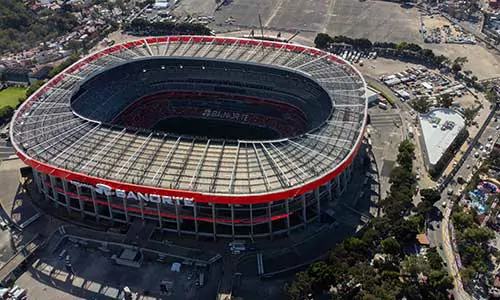
On the eve of the tournament’s monumental kickoff, the eyes of the sporting world are focused on Mexico City. Tomorrow, June 11, 2026, the legendary Estadio Azteca will host the highly anticipated opening match of the FIFA World Cup 2026. When the Mexican national team takes the pitch against South Africa in front of tens of thousands of passionate fans, it will represent more than just the start of a historic tournament. It marks a groundbreaking moment in sports history, as the Azteca becomes the first venue to host three opening matches of the world’s most prestigious football tournament, following its starring roles in 1970 and 1986.
This historic coliseum, located in the high-altitude neighborhood of Santa Úrsula, has borne witness to some of the greatest individual and team achievements in sports. From the majestic play of Pelé in 1970 to the magical, controversial brilliance of Diego Maradona in 1986, the arena has always been a theatre of dreams. As we enter the modern era, the stadium has undergone its most comprehensive transformation to prepare for a new generation of stars. This article provides an extensive overview of the renovations, match schedules, fan logistics, and historic legacy of the Estadio Azteca as it prepares to write another glorious chapter for the FIFA World Cup 2026.
Table of Contents
- 1. The Unrivaled Historical Legacy of Estadio Azteca
- 2. The Path to the FIFA World Cup 2026: Why Estadio Azteca Was Chosen
- 3. Renovation Details: Modernizing a Football Cathedral
- 4. Official Match Schedule and Key Dates
- 5. The Fan Experience: Navigating Mexico City and the Stadium
- 6. Frequently Asked Questions (FAQ)
- 7. Conclusion: The Dawn of a New Epoch
1. The Unrivaled Historical Legacy of Estadio Azteca
To understand the weight of tomorrow’s match, one must look back at the history embedded within the concrete walls of Estadio Azteca. Opened in 1966 and designed by the visionary architects Pedro Ramírez Vázquez and Rafael Mijares Alcérreca, the stadium was built to solidify Mexico’s standing on the international sporting stage. It was a massive architectural feat, constructed in a volcanic zone, utilizing local stone and materials to create an imposing coliseum that could originally hold over 100,000 spectators.
In 1970, the stadium hosted the world’s premier football event for the first time. It became the stage where Pelé’s legendary Brazil side showcased “the beautiful game” in its purest form. Brazil’s 4-1 triumph over Italy in the final cemented that squad as one of the greatest teams of all time. Consequently, the tournament was also a landmark for broadcasting, as it was the first World Cup televised globally in color, magnifying the vibrant yellow shirts of Brazil against the lush green grass of the Azteca pitch.
Sixteen years later, in 1986, the Azteca once again stepped in to host the global tournament after Colombia was forced to withdraw as host. The 1986 edition belonged to Diego Armando Maradona. It was during the quarter-final match against England at the Azteca that Maradona scored two of the most famous goals in football history: the infamous “Hand of God” and the spectacular, weaving solo effort known as the “Goal of the Century.” Argentina went on to lift the trophy at the Azteca, firmly establishing the stadium as a sacred temple of international football.
Ultimately, the legacy of Estadio Azteca is defined by these moments of unparalleled brilliance. No other venue in the world carries the emotional weight of having hosted two legends of the sport at the absolute peak of their careers. As the stadium opens its doors for the FIFA World Cup 2026, it carries the ghosts of past triumphs into a brand-new era of global competition.
2. The Path to the FIFA World Cup 2026: Why Estadio Azteca Was Chosen
When Canada, Mexico, and the United States joined forces to pitch their co-hosting bid for the FIFA World Cup 2026, they promised the most expansive and diverse tournament in history. With the competition expanding to 48 teams, FIFA required stadiums that not only offered immense seating capacities but also met stringent modern criteria for infrastructure, safety, and media capabilities. While the United States will host the majority of the matches from the quarter-finals onward, the emotional heart of the tournament remains rooted in Mexico City.
FIFA’s decision to award the opening match to Estadio Azteca was a symbolic nod to football’s rich history. Rather than choosing a brand-new, hyper-modern stadium in the United States, FIFA chose to honor the tradition and soul of the sport. It recognized that the Azteca represents a bridge between the traditional past of football and its expansive, multi-nation future.
A Symbolic Catalyst for the Expanded Format
The expanded format of the FIFA World Cup 2026 features 104 matches, creating a massive logistical challenge across three different nations. Staging the opening game at the Azteca serves as a perfect cultural anchor. The vibrant, deep-seated passion of Mexican football fans provides an instant wave of energy that will set the tone for the entire tournament. Furthermore, hosting group matches across Guadalajara, Monterrey, and Mexico City ensures that the entire nation participates in this historic festival of sports.
3. Renovation Details: Modernizing a Football Cathedral
While the history of the Azteca is undisputed, its aging infrastructure required a massive, multi-million-dollar modernization campaign to meet current FIFA standards. The venue closed its doors in mid-2024 to undergo its most significant transformation since its construction in 1966. The objective of the renovation project was clear: modernize the stadium’s facilities and technical systems while preserving the unique, historic spirit that fans cherish.
One of the primary structural changes involved the installation of a state-of-the-art hybrid playing surface. Over past years, the Azteca pitch had suffered from severe wear and tear, occasionally leading to poor playing conditions. The new hybrid grass combines natural turf with synthetic fibers, ensuring maximum durability under the intense schedules of the FIFA World Cup 2026. This technical upgrade provides a consistent, high-performance surface capable of handling both heavy rain and back-to-back matches.
In addition to the pitch, the seating capacity has been reconfigured. To accommodate the massive influx of media personnel, high-profile hospitality areas, and modern security zones, the stadium’s capacity was adjusted to approximately 87,500. This modification guarantees optimal sightlines and increased comfort for general ticket holders while expanding luxury options for international visitors.
Moreover, the technological infrastructure of the stadium received a massive boost, including:
- LED Lighting and Screens: Installation of 2,000 square meters of high-resolution LED screens on the stadium’s exterior, along with a completely overhauled LED floodlight system that enhances television broadcasts and energy efficiency.
- Advanced Sound System: A brand-new public address system featuring over 340 high-performance speakers to deliver crystal-clear audio to every seat in the house.
- Modernized Facilities: Completely relocated and redesigned locker rooms, optimized player tunnels, and expanded press conference facilities designed to cater to thousands of accredited journalists from around the globe.
The Unique Challenge of Private Luxury Boxes
An interesting hurdle during the renovation process involved the stadium’s famous private luxury boxes. In the 1960s, to help fund the original construction of the venue, the developers sold 134 luxury boxes to private individuals with 99-year leases. Because FIFA guidelines require absolute control of all seating and hospitality suites during the tournament, negotiations with the box owners became a complex legal and logistical challenge. Ultimately, agreements were reached, allowing FIFA to utilize the suites while respecting the long-standing property rights of the local owners.
4. Official Match Schedule and Key Dates
The tournament features five crucial matches scheduled for the legendary “Mexico City Stadium” (as it is officially designated by FIFA due to commercial regulations). The fixtures are designed to bring maximum drama to local and visiting supporters alike.
| Match Number | Date | Matchup / Stage | Local Time (CST) |
|---|---|---|---|
| Match 1 | June 11, 2026 | Mexico vs. South Africa (Group A Opener) | 1:00 PM |
| Match 24 | June 17, 2026 | Uzbekistan vs. Colombia (Group K) | 8:00 PM |
| Match 53 | June 24, 2026 | Mexico vs. Czechia (Group A) | 7:00 PM |
| Match 79 | June 30, 2026 | Round of 32 (TBD vs. TBD) | 7:00 PM |
| Match 92 | July 5, 2026 | Round of 16 (TBD vs. TBD) | 6:00 PM |
An Opening Ceremony to Remember
The match on June 11 will be preceded by a spectacular, star-studded opening ceremony. Scheduled to begin at 11:00 AM local time, the event is set to feature live performances by global icons like Shakira and Burna Boy, alongside traditional Mexican artists like Alejandro Fernández. Local authorities have even declared June 11 a public holiday in Mexico City to reduce traffic congestion and ensure that the city can celebrate this historic occasion in safety and unity.
For more detailed information regarding ticket sales and official schedules, please refer to the official FIFA Web Portal.
5. The Fan Experience: Navigating Mexico City and the Stadium
Mexico City is one of the most populous and vibrant metropolitan areas in the world. For fans traveling to the FIFA World Cup 2026, navigating the city requires some basic preparation. The local government has invested heavily in urban upgrades, focusing specifically on transport networks and fan safety zones surrounding the stadium.
The primary method of transit to Estadio Azteca is the Tren Ligero (Light Rail), which connects directly with the city’s metro network at the Tasqueña station. During matchdays, transit frequencies will be significantly increased. Consequently, local authorities strongly encourage fans to utilize public transportation, as private vehicle access near the venue will be highly restricted to ticket holders, accredited media, and emergency vehicles.
In addition to transit, fans can look forward to:
- FIFA Fan Festival™: Located in the heart of the city, featuring giant screens, live music, interactive games, and diverse food options representing the cultures of all participating nations.
- The Cultural Corridor: A designated pedestrian zone highlighting local Mexican heritage, artisan crafts, traditional dances, and legendary street food.
- High Altitude Preparation: Mexico City is situated at over 2,240 meters above sea level. Visiting fans are advised to stay hydrated and take time to adjust to the altitude during their stay.
For comprehensive updates on fan zones and city safety protocols, check out the tournament guides on Al Jazeera’s World Cup Coverage.
6. Frequently Asked Questions (FAQ)
What is the official capacity of Estadio Azteca for the FIFA World Cup 2026?
Following its major multi-year modernization and seat reconfiguration, the stadium’s capacity is approximately 87,500. This adjustment was necessary to accommodate expanded media boxes, safety zones, and upgraded hospitality areas while ensuring the best possible sightlines for general ticket holders.
Who plays in the opening match of the FIFA World Cup 2026?
The highly anticipated opening match on June 11, 2026, features the host nation Mexico playing against South Africa. The match kicks off at 1:00 PM local time (CST) and will follow a spectacular opening ceremony featuring performances by global musical icons.
Why is the stadium called “Mexico City Stadium” during the FIFA World Cup 2026?
FIFA has strict guidelines regarding corporate stadium sponsorships. Because Estadio Azteca is locally associated with commercial partnerships, it is referred to officially as “Mexico City Stadium” for all FIFA broadcasts, ticketing, and scheduling documents throughout the tournament.
What physical changes were made to Estadio Azteca during its recent renovations?
The extensive renovation project introduced a state-of-the-art hybrid pitch, completely overhauled dressing rooms, a brand-new player tunnel, upgraded LED exterior lighting, 2,000 square meters of high-resolution video screens, and a highly advanced public address system with over 340 speakers.
Will the historic luxury boxes remain open during the FIFA World Cup 2026?
Yes, but under strict guidelines. After complex legal negotiations, the private owners of the 134 historic luxury boxes agreed to cooperate with FIFA. The suites will be utilized to meet the high demand for premium hospitality during the 30-day tournament.
How many matches are being played at Estadio Azteca during the tournament?
Estadio Azteca is scheduled to host five matches in total: three group-stage fixtures (including two of Mexico’s group stage games), one Round of 32 match, and one highly competitive Round of 16 knockout match.
7. Conclusion: The Dawn of a New Epoch
The journey of Estadio Azteca from a mid-century architectural marvel to a modern sports arena is a testament to the enduring power of football culture. As the opening match of the FIFA World Cup 2026 kicks off tomorrow, the stadium is set to write yet another chapter in its unparalleled book of memories. The intensive renovations ensure that the physical structure of the arena is prepared to meet the demands of the modern era, while the historic spirit of Pelé and Maradona remains safely preserved within its walls.
For fans, players, and historians alike, the upcoming matches are a celebration of football’s ability to unite cultures, transcend boundaries, and create lasting memories. Estadio Azteca stands ready to welcome the world once more.
What are your predictions for the opening match between Mexico and South Africa? Will the Azteca witness another historical moment?
Share your predictions, travel tips, and memories in the comments section below, and join the global conversation as the world’s biggest tournament begins!