Easiest FIFA World Cup 2026 Host Cities to Travel Between
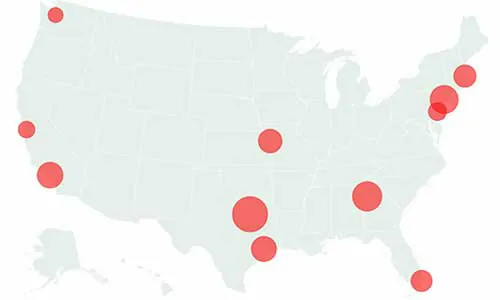
The countdown has officially ended, and soccer fans worldwide are gearing up for the historic FIFA World Cup 2026. With 48 teams competing across 16 host cities in the United States, Canada, and Mexico, this tournament is slated to be the largest sporting event in human history. However, the sheer size of the North American continent presents a unique logistical challenge for international and domestic fans alike. Traveling from a match on the West Coast to another on the East Coast can require hours of flying and substantial expenses.
Fortunately, you do not have to cross the entire continent to experience the magic of the tournament. By focusing on specific geographic regions and well-connected transit corridors, you can easily attend multiple matches with minimal travel hassle. In this comprehensive travel guide, we break down the absolute easiest host cities to travel between during the FIFA World Cup 2026, helping you maximize your football adventure while minimizing stress, travel times, and costs.
Table of Contents
- Analyzing the Geographic Clusters of the FIFA World Cup 2026
- 1. The Northeast Megalopolis: The Ultimate Travel Corridor
- 2. The Pacific Northwest: Cross-Border Scenic Travel
- 3. The Texas Triangle: Southern Connections
- 4. The California Coast: Golden State Express
- Transit Comparison Table for World Cup Cities
- Essential Travel Tips for Navigating the Tournament
- Frequently Asked Questions
Analyzing the Geographic Clusters of the FIFA World Cup 2026
To mitigate the extreme travel demands on players, staff, and fans, FIFA has divided the 16 host cities into three distinct regional clusters: East, Central, and West. This regional grouping is a massive benefit for tournament attendees. Instead of booking exhausting coast-to-coast flights, fans can base themselves in a single region and easily commute between neighboring stadiums.
For instance, the group-stage matches are designed to minimize cross-continental travel. Consequently, if you purchase tickets for matches within the East cluster, you will spend far less time in airport security lines and more time enjoying the pre-match festivities. Understanding how these regional networks operate is key to crafting a smart, budget-friendly itinerary for the FIFA World Cup 2026.
Moreover, choosing the right travel hubs within these clusters can save you hundreds of dollars in transit fees. Whether you prefer high-speed rail, budget buses, regional road trips, or short domestic flights, some host city pairings stand out as exceptionally easy to navigate. Let us dive into the best route options available for your trip.
1. The Northeast Megalopolis: The Ultimate FIFA World Cup 2026 Travel Route
When it comes to transit simplicity, no other region in North America compares to the Northeast United States. The close proximity of Boston, New York/New Jersey, and Philadelphia makes this corridor the absolute gold standard for fans attending the FIFA World Cup 2026. These three major cities are connected by a highly developed rail network, eliminating the need to rent a car or book expensive domestic flights.
Furthermore, these cities boast extensive local transit systems. This means you can easily travel from downtown Boston straight to the heart of Philadelphia using comfortable high-speed trains, and then hop on local subways or light rail networks to reach the stadiums. Below, we examine the specific routes connecting these East Coast hubs.
New York / New Jersey to Philadelphia: The Easiest Pair
The journey between New York City (MetLife Stadium in East Rutherford, NJ) and Philadelphia (Lincoln Financial Field) is incredibly simple. Geographically separated by just under 100 miles, these two cities represent the easiest inter-city commute of the entire tournament.
On one hand, you can board the Amtrak Northeast Regional or the high-speed Acela Express from New York’s Penn Station. In just 1 hour and 15 minutes, you will arrive at Philadelphia’s 30th Street Station. Trains depart almost hourly, providing unparalleled flexibility for matchday schedules.
On the other hand, budget-conscious fans can opt for regional bus services like Greyhound, Megabus, or FlixBus. These buses run continuously throughout the day, taking approximately 2 hours depending on highway traffic. This route is not only exceptionally fast but also highly cost-effective, allowing you to catch back-to-back games with ease.
Once you arrive in Philadelphia, getting to the stadium is seamless. The Broad Street Line (BSL) subway runs directly from City Center down to NRG Station, placing you steps away from Lincoln Financial Field. In New Jersey, you can easily access MetLife Stadium by taking NJ Transit from Penn Station to Secaucus Junction, transferring directly to the Meadowlands Rail Line on game days.
New York / New Jersey to Boston: Connecting the Giants
Connecting New York and Boston (Gillette Stadium in Foxborough, MA) is almost as straightforward. The distance between them is roughly 215 miles, which is easily manageable via multiple transit modes.
Taking the Amtrak Acela train from Manhattan to Boston’s South Station takes about 3 hours and 30 minutes. The ride is comfortable, offering free Wi-Fi and power outlets so you can work, relax, or stream highlights of previous games. Consequently, this rail link is highly favored over driving, as it avoids the notorious traffic congestion of both metropolitan areas.
Additionally, multiple commercial airlines operate hourly shuttle flights between New York’s airports (LGA and JFK) and Boston’s Logan International Airport (BOS). While the flight itself is only 1 hour, when you factor in security and airport transfers, the train remains the most convenient, stress-free choice for fans.
It is important to note that Gillette Stadium is located in Foxborough, which is about 30 miles south of downtown Boston. During major events, the Massachusetts Bay Transportation Authority (MBTA) runs dedicated “Event Trains” from Boston South Station and Providence directly to Foxborough Station, making car rentals unnecessary.
Philadelphia to Boston: A Seamless Ride
If your itinerary requires traveling directly from Philadelphia to Boston, the Northeast Corridor rail line remains your best friend. A direct Amtrak ride takes around 5 hours, winding through the scenic coastal landscapes of Connecticut and Rhode Island.
Therefore, fans can easily experience a match in Philadelphia on one night, spend the next morning traveling comfortably by train, and arrive in Boston in time for an evening kickoff. It is this unmatched level of connectivity that makes the East Coast the premier choice for visitors during the FIFA World Cup 2026.
The Toronto Connection: Expanding the East Coast Trip
For those looking to add an international touch to their East Coast itinerary, Toronto (BMO Field) is a viable and exciting option. Located just across the Canadian border, Toronto is well connected to the Northeast US hubs.
A direct flight from New York (JFK or LGA) to Toronto Pearson International Airport (YYZ) or Billy Bishop Toronto City Airport (YTZ) takes only 1.5 hours. Billy Bishop Airport is particularly convenient, as it is located on an island right next to downtown Toronto, just a short streetcar ride away from BMO Field.
If you prefer train travel and have plenty of time, Amtrak operates the scenic “Maple Leaf” train directly from New York Penn Station to Toronto Union Station. While the journey takes about 12 hours due to border customs checks, it offers a deeply relaxing travel experience for slow-travel enthusiasts.
2. The Pacific Northwest: Cross-Border Scenic Travel
For fans who want to combine world-class soccer with breathtaking natural landscapes, the Pacific Northwest cluster is an exceptional choice. This region features two spectacular host cities: Seattle (Lumen Field) and Vancouver, Canada (BC Place). Traveling between these two international hubs is incredibly straightforward, offering a unique cross-border experience during the tournament.
In addition to being close geographically—separated by just 140 miles—these cities are linked by highly efficient land and rail transport. This allows fans to move between the United States and Canada without relying on costly international flights.
The Scenic Amtrak Cascades Route for FIFA World Cup 2026 Fans
The absolute best way to travel between Seattle and Vancouver is by riding the Amtrak Cascades train. This custom-designed train runs from Seattle’s King Street Station directly to Vancouver’s Pacific Central Station, wrapping along the beautiful coastline of the Puget Sound.
The journey takes approximately 4 hours and features onboard dining, comfortable seating, and spectacular views of mountains and waterways. Moreover, border customs clearance is completed directly at the train stations, saving you from the lengthy queues often found at highway border checkpoints. It is a highly relaxed, stress-free travel option for international fans.
Lumen Field in Seattle is located immediately adjacent to King Street Station, meaning you can step off the train and practically walk straight into the stadium. Similarly, BC Place in Vancouver is highly accessible from Pacific Central Station via a quick trip on the local SkyTrain system or even a 15-minute walk.
Driving the Interstate 5 Corridor
Alternatively, renting a car and driving along Interstate 5 (I-5) is a highly popular option. The drive typically takes about 2.5 to 3 hours, depending on border wait times at the Peace Arch crossing.
Therefore, if you are traveling with a group of friends, sharing a rental car can be highly economical. Just ensure that you have all necessary travel documents, such as a valid passport and any required visas or electronic travel authorizations (eTA for Canada, ESTA for the US), ready for the border patrol officers. This ensures a seamless cross-border journey during your FIFA World Cup 2026 tour.
3. The Texas Triangle: Southern Connections
The southern region of North America boasts some of the largest and most technologically advanced stadiums in the world. Texas, in particular, will be a major focal point of the FIFA World Cup 2026, with both Dallas (AT&T Stadium) and Houston (NRG Stadium) hosting multiple high-profile matches. Due to their relative proximity, these two cities make an excellent regional pairing for soccer enthusiasts.
While Texas is famous for its massive geographical scale, the corridor connecting Dallas and Houston is surprisingly manageable. Consequently, fans can easily experience the unique southern football culture in both cities without spending too much time in transit.
The Texas Triangle: Quick Connections for FIFA World Cup 2026 Fans
Dallas and Houston are separated by roughly 240 miles of straightforward highway along Interstate 45 (I-45). Under normal traffic conditions, the drive takes about 3.5 to 4 hours.
Renting a car allows you the flexibility to explore the suburban fan zones and surrounding attractions at your own pace. Furthermore, road-tripping through Texas offers a fantastic opportunity to experience world-famous Texas barbecue and hospitality between matches. It is a classic American road trip experience tailor-made for sports fans.
For those who prefer to skip the highway, commercial airlines operate dozens of daily non-stop flights between Dallas (DFW or DAL) and Houston (IAH or HOU). The flight time is a mere 1 hour. Because major airlines plan to increase flight frequencies during the FIFA World Cup 2026, finding a convenient flight slot will be relatively simple.
However, transit within the cities requires some planning. Houston’s NRG Stadium is well connected to the downtown area via the METRORail Red Line. On the other hand, AT&T Stadium in Dallas is located in the suburb of Arlington, which lacks a robust public rail system. Fans in Dallas should plan to rely on regional shuttle buses, rideshares, or rental cars to get to the venue.
Cross-Border Connection: Texas to Monterrey
For fans looking to experience the vibrant soccer culture of Mexico, Monterrey (Estadio BBVA) is the closest Mexican host city to the Texas border. While driving from Houston to Monterrey takes about 7 to 8 hours and involves international border crossings, flying is remarkably quick.
Direct flights from Houston’s George Bush Intercontinental Airport (IAH) to Monterrey International Airport (MTY) take only 1 hour and 15 minutes. This makes hopping across the border for a Mexican matchday incredibly practical, allowing you to enjoy the best of both host nations with minimal disruption.
4. The California Coast: Golden State Express
California is legendary for its scenic beauty, diverse culture, and massive sporting history. During the FIFA World Cup 2026, the Golden State will host matches in two iconic regions: the San Francisco Bay Area (Levi’s Stadium in Santa Clara) and Los Angeles (SoFi Stadium in Inglewood).
While these two metropolitan areas are separated by about 380 miles, they are connected by highly efficient travel options that make moving between them a breeze for visiting soccer fans.
The absolute fastest way to travel between Northern and Southern California is by air. Major carriers run hourly shuttle flights connecting San Francisco (SFO), San Jose (SJC), and Oakland (OAK) with Los Angeles (LAX), Burbank (BUR), and Orange County (SNA). The actual flight time is only about 1 hour and 15 minutes. Because competition among airlines on this route is incredibly fierce, tickets are often highly affordable.
On the other hand, if you have a few days of downtime between matches, driving is an experience you will never forget. You can take the fast route via Interstate 5, which takes about 5.5 to 6 hours, or opt for the world-famous Pacific Coast Highway (PCH) for a slower, incredibly scenic road trip along the ocean cliffs.
This flexibility allows you to explore California’s iconic beaches, state parks, and coastal towns, turning your World Cup journey into a dream vacation. Therefore, if your budget and schedule permit, a California coastal road trip is highly recommended.
Transit Comparison Table for FIFA World Cup 2026 Cities
To help you visualize your travel options and plan your budget effectively, we have compiled a comparison table of the easiest host city pairings. This breakdown highlights the estimated travel times, primary modes of transportation, and the general ease of transit for each route.
| City Pair | Primary Transit Mode | Est. Travel Time | Difficulty Level |
|---|---|---|---|
| New York City ↔ Philadelphia | Amtrak Train / Regional Bus | 1h 15m – 2h | Very Easy |
| New York City ↔ Boston | Amtrak Train / Flight | 3h 30m (Train) | Easy |
| Seattle ↔ Vancouver | Amtrak Cascades Train / Drive | 3h – 4h | Easy (Cross-Border) |
| Dallas ↔ Houston | Drive / Regional Flight | 1h (Flight) / 4h (Drive) | Moderate |
| San Francisco ↔ Los Angeles | Shuttle Flight / Drive | 1h 15m (Flight) | Moderate |
| Houston ↔ Monterrey | Direct Flight | 1h 15m (Flight) | Moderate (Cross-Border) |
Essential Travel Tips for Navigating the FIFA World Cup 2026
Planning a successful multi-city trip requires careful attention to detail. With millions of fans descending on North America, public transportation, airports, and hotels will experience unprecedented demand. To make sure your travel goes as smoothly as possible, follow these highly recommended strategies.
- Book Your Tickets Early: This is the golden rule of tournament travel. As soon as your match tickets are confirmed, book your Amtrak tickets, regional flights, and accommodation. Waiting until the last minute will result in astronomical prices and limited availability.
- Understand the Border Requirements: The tournament spans three sovereign nations. Moving between the US, Canada, and Mexico requires passing through border control. Ensure your passport is valid for at least six months beyond your travel dates, and double-check if you need an Electronic Visa or Travel Authorization (like the ESTA for the US, the eTA for Canada, or equivalent Mexican tourist documents).
- Utilize Game-Day Transit Promos: Many host cities plan to offer free or heavily discounted public transit for match ticket holders on game days. Research local transit apps for cities like Seattle, New York, and Vancouver to take advantage of these local programs.
- Download Local Transit Apps: Before arriving in each city, download their primary transit apps (such as the MTA app for New York, SEPTA for Philadelphia, and Compass for Vancouver). Having these apps preloaded on your phone will save you time at ticket kiosks.
- Get a North American eSIM: Since you may be crossing borders, having a reliable eSIM card that covers the US, Canada, and Mexico is highly convenient. It will prevent expensive roaming charges and keep you connected to maps, ride-sharing services, and match updates.
Frequently Asked Questions About FIFA World Cup 2026 Travel
To help you navigate your trip with confidence, we have answered some of the most common questions regarding transit and logistics during the tournament.
What is the single easiest route between host cities?
The single easiest route is between New York/New Jersey (MetLife Stadium) and Philadelphia (Lincoln Financial Field). They are less than 100 miles apart and connected by frequent Amtrak trains that complete the journey in just 1 hour and 15 minutes, making it highly practical to stay in one city and commute to the other for games.
Do I need a special visa to travel between host nations?
Yes, standard international travel rules apply. Depending on your nationality, you may need separate visas or electronic travel authorizations (ESTA for the US, eTA for Canada, and FMM tourist permit for Mexico) to cross borders during the FIFA World Cup 2026. Always verify visa requirements well in advance.
Can I travel between Seattle and Vancouver by train?
Absolutely. The Amtrak Cascades train is one of the most scenic and convenient ways to travel between Seattle and Vancouver. The trip takes about 4 hours, and custom checks are processed at the train stations, offering a highly comfortable alternative to driving or flying.
Is there a unified tournament pass for public transit?
No, there is no unified transit pass covering all three countries. However, individual host cities are expected to offer free public transit to ticket holders on official matchdays. Be sure to check the official local transport updates for each host city you visit.
How early should I book my flights and trains?
You should book your flights and trains as early as possible—ideally 6 to 8 months in advance. Because of the massive influx of tourists, demand will be incredibly high, and transport companies will raise their prices dynamically as seats fill up.
Are the stadiums located close to the city centers?
It depends on the city. While venues like BC Place in Vancouver and Lumen Field in Seattle are right in the city center, others like Gillette Stadium in Foxborough (Boston) and MetLife Stadium in East Rutherford (New York/New Jersey) are located in suburban areas, requiring dedicated regional trains, shuttle buses, or ride-shares to reach.
Conclusion: Crafting Your Perfect World Cup Experience
The FIFA World Cup 2026 promises to be an unforgettable festival of football, culture, and community. While navigating a multi-nation tournament may seem daunting, choosing the right host cities can make your travels incredibly straightforward. By focusing your trip on high-connectivity regions like the Northeast US, the Pacific Northwest, or the Texas Triangle, you can easily catch multiple games while saving time and money.
As you plan this incredible journey, remember that early preparation is your biggest asset. Secure your transit tickets, verify your border entry documents, and prepare your matchday itineraries ahead of time to ensure a flawless experience.
Are you ready to join the global football community in North America? Start planning your travel itinerary today, bookmark your routes, and book your tickets early to lock in the best rates. For more official schedules, ticket news, and updates, visit the official FIFA portal and secure your spot in sports history!