Best FIFA World Cup 2026 Host Cities Ranked for Football Fans
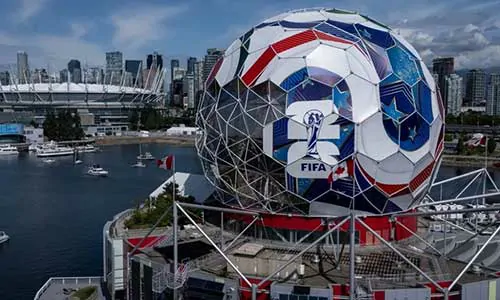
The countdown is officially on, and excitement is building across North America for the FIFA World Cup 2026. As the first-ever tournament to feature 48 teams and 104 matches spread across three host nations—the United States, Canada, and Mexico—the FIFA World Cup 2026 is set to become the largest and most geographically expansive sporting event in history. For traveling supporters, however, this vast scale presents a unique challenge: choosing where to watch the games.
For football fans, a memorable tournament experience goes far beyond the 90 minutes on the pitch. It is shaped by stadium accessibility, local soccer culture, public transit efficiency, and the overall matchday atmosphere in the host cities. While every host city offers something unique, some are far more practical, affordable, and exciting for traveling supporters than others. This comprehensive guide ranks the top host cities for the upcoming tournament to help you plan your ultimate football road trip.
Table of Contents
- 1. Why the FIFA World Cup 2026 Will Be a Historic Tournament
- 2. Our Ranking Methodology for Host Cities
- 3. The Top 10 Host Cities Ranked for Football Fans
- 4. Other Notable Host Cities to Consider
- 5. Host City Comparison Table
- 6. Crucial Travel Tips for Traveling Supporters
- 7. Frequently Asked Questions (FAQ)
1. Why the FIFA World Cup 2026 Will Be a Historic Tournament
The FIFA World Cup 2026 marks a massive departure from previous tournaments. By expanding the team format from 32 to 48 nations, FIFA has created a massive tournament that will showcase matches in 16 world-class venues across diverse climates, time zones, and cultures. This means fans have an unprecedented variety of destinations to choose from, ranging from the high-altitude passion of central Mexico to the breezy, coastal stadiums of Canada and the high-tech metropolitan arenas of the United States.
Furthermore, because the tournament is co-hosted by three countries, the regional identities of the host venues will play a major role in the overall fan experience. While the United States will host the majority of matches from the quarterfinals onward, the group stage and early knockout rounds will see intense celebrations in Canadian and Mexican cities. Consequently, choosing your base city is the most important planning decision you will make.
2. Our Ranking Methodology for Host Cities
To rank the host cities objectively, we have analyzed them through the lens of a traveling football supporter. We avoided looking strictly at stadium size or city population. Instead, our ranking relies on five crucial fan-centric metrics:
- Transit & Walkability: How easy is it to travel from the airport to the city center, and can you walk to the stadium or easily reach it via public transportation?
- Soccer Culture & Atmosphere: Does the city have an established, passionate football fanbase, or will the tournament feel like a corporate trade show?
- Affordability: The relative costs of accommodation, local food, and matchday expenses in each urban area.
- City-Break Appeal: What is there to do, see, and eat when there is no match scheduled?
- Logistical Stress: The likelihood of long, frustrating commutes or gridlocked traffic surrounding the stadium area on matchdays.
3. The Top 10 Host Cities Ranked for Football Fans
Taking these factors into account, here is our definitive ranking of the best host cities to visit during the FIFA World Cup 2026:
1. Vancouver, Canada (BC Place)
Vancouver takes the crown as the ultimate destination for traveling football supporters. BC Place, the city’s premier stadium, is located directly in the downtown core. This means fans can step out of their hotels, walk through vibrant neighborhoods like Gastown and Yaletown, and arrive at the turnstiles without ever needing to board a car.
Additionally, Vancouver’s rapid transit system, the SkyTrain, directly connects the airport to downtown, making the arrival process stress-free. Surrounded by majestic mountains and the Pacific Ocean, Vancouver offers scenic beauty alongside a safe, highly multicultural environment, making it a dream city-break destination between matchdays.
- Stadium: BC Place (Capacity: ~54,000)
- Vibe: Scenic, highly organized, walkable, and welcoming.
- Best Fan Spot: The waterfront pubs around False Creek and the Granville Island public market.
2. Mexico City, Mexico (Estadio Azteca)
For purists seeking raw, historic football passion, Mexico City is unmatched. Estadio Azteca is a legendary cathedral of world soccer, having hosted the iconic finals of 1970 (featuring Pelé) and 1986 (featuring Diego Maradona). Watching a match here during the FIFA World Cup 2026 is a bucket-list experience for any true supporter.
The city’s vibrant local culture, world-famous street food, and incredibly affordable dining options make it highly attractive for budget-conscious travelers. While traffic can be notoriously heavy and stadium transit requires patience, the intense, colorful, and music-filled atmosphere more than compensates for the logistical hurdles.
- Stadium: Estadio Azteca (Capacity: ~83,000)
- Vibe: High-energy, deeply historic, chaotic, and incredibly passionate.
- Best Fan Spot: The historic Zócalo plaza and the lively cantinas of the Roma and Condesa neighborhoods.
3. Seattle, USA (Lumen Field)
Seattle is widely regarded as one of the heartlands of soccer culture in the United States. Lumen Field is situated right next to downtown and the historic Pioneer Square district, creating an incredibly walkable pre-match ecosystem. The local fans are highly knowledgeable, and the city’s famous “March to the Match” tradition will translate brilliantly to the global stage.
Furthermore, the Link Light Rail connects the stadium directly to Seattle-Tacoma International Airport and various neighborhoods, allowing fans to avoid gridlock. When you are not at the stadium, the city’s elite coffee shops, craft breweries, and close proximity to natural parks provide a rich travel experience.
- Stadium: Lumen Field (Capacity: ~69,000)
- Vibe: Passionate local MLS culture, progressive, and highly transit-accessible.
- Best Fan Spot: Pioneer Square’s historic pubs and the bustling Pike Place Market.
4. Toronto, Canada (BMO Field)
Toronto is one of the most multicultural cities on earth, making it the perfect host for a global tournament. BMO Field, located along the waterfront at Exhibition Place, will be expanded with temporary seating to create an intimate, high-intensity environment for matches.
The stadium is highly accessible via the GO Transit rail system and the city’s historic streetcars. Because of Toronto’s diverse population, every single competing nation will feel like they are playing a home match, resulting in lively street parties across neighborhoods like Little Italy, Portugal Village, and Greektown.
- Stadium: BMO Field (Capacity: ~45,000)
- Vibe: Diverse, cosmopolitan, energetic, and waterfront-focused.
- Best Fan Spot: The official Fan Festival area at Fort York and the waterfront Harbourfront Centre.
5. Atlanta, USA (Mercedes-Benz Stadium)
Atlanta has established itself as a modern soccer powerhouse in the U.S., largely due to the massive local support for Atlanta United. Mercedes-Benz Stadium is a state-of-the-art architectural marvel, featuring a retractable roof, a giant halo board, and incredibly cheap food options.
The stadium is located right in the center of downtown Atlanta, making it walkable from major hotels and tourist landmarks like the Georgia Aquarium and the World of Coca-Cola. The city’s MARTA rapid transit system serves the stadium directly, ensuring smooth arrival and departure on matchdays.
- Stadium: Mercedes-Benz Stadium (Capacity: ~71,000)
- Vibe: High-tech, welcoming, culturally rich, and highly comfortable.
- Best Fan Spot: Centennial Olympic Park and the sports bars surrounding the downtown corridor.
6. Monterrey, Mexico (Estadio BBVA)
Monterrey is home to two of the most passionate fanbases in Mexican football (Tigres and Rayados). Estadio BBVA, commonly referred to as “El Gigante de Acero” (The Steel Giant), offers one of the most breathtaking visual backdrops in world football, with the towering Cerro de la Silla mountain rising directly behind the open end of the stadium.
The city features a highly modern infrastructure, excellent culinary experiences centered around Mexican “Carne Asada” (grilled meats), and a safe environment for international tourists. While summer temperatures can be hot, the sheer football fever in Monterrey makes it a stellar choice for die-hard fans.
- Stadium: Estadio BBVA (Capacity: ~53,500)
- Vibe: Ultra-passionate, modern, and scenic.
- Best Fan Spot: Barrio Antiguo (The Old Quarter) for excellent local food and vibrant nightlife.
7. New York/New Jersey, USA (MetLife Stadium)
As the host city for the highly anticipated final match of the FIFA World Cup 2026, New York/New Jersey holds immense appeal. The global gravitas of New York City ensures that fans will have endless entertainment, dining, and sightseeing opportunities before and after games.
However, supporters should note that MetLife Stadium is located across the Hudson River in East Rutherford, New Jersey. Navigating transit from Manhattan to the Meadowlands sports complex can be complex and time-consuming during peak times. Accommodation costs are also among the highest in North America, placing this destination slightly lower in terms of everyday practicality.
- Stadium: MetLife Stadium (Capacity: ~82,500)
- Vibe: Global, grand, high-stakes, and diverse.
- Best Fan Spot: The massive public viewing screens in Manhattan and Liberty State Park.
8. Los Angeles, USA (SoFi Stadium)
Los Angeles is a city built on glamour, entertainment, and a massive soccer-loving population. SoFi Stadium in Inglewood is a futuristic, multi-billion-dollar masterpiece that offers an unparalleled high-definition viewing experience.
The main drawback for traveling fans is LA’s massive geographic spread and notorious traffic. Public transit options to SoFi Stadium are limited compared to downtown-based venues, making ride-shares or shuttle buses a necessity. However, if you want a premium, star-studded experience close to beaches and world-famous attractions, LA remains highly alluring.
- Stadium: SoFi Stadium (Capacity: ~70,000)
- Vibe: Luxurious, cinematic, and sunny.
- Best Fan Spot: The beachside sports bars of Santa Monica and Venice, or the stadium’s surrounding Hollywood Park complex.
9. Miami, USA (Hard Rock Stadium)
Miami brings a vibrant, tropical, and Latin American-infused energy to the tournament. Hard Rock Stadium has hosted numerous major international sporting events, and the local community is deeply passionate about international football.
While the atmosphere will be a massive party, fans should plan carefully. The stadium is located in Miami Gardens, which is quite far from the popular tourist zones of South Beach and Downtown. Consequently, renting a car or utilizing dedicated event shuttles is essential, and summer humidity will be high.
- Stadium: Hard Rock Stadium (Capacity: ~64,000)
- Vibe: Festive, sunny, diverse, and energetic.
- Best Fan Spot: Wynwood Art District’s breweries and the oceanfront fan zones in Miami Beach.
10. Kansas City, USA (Arrowhead Stadium)
Kansas City is widely regarded as the soccer capital of America’s heartland. Arrowhead Stadium is legendary for holding the Guinness World Record for the loudest outdoor stadium, promising an incredibly intense in-stadium experience.
The city is famous for its midwestern hospitality and its elite tailgating culture, where thousands of fans gather to grill world-class barbecue in the massive stadium parking lots before kickoff. The main challenge is the lack of public transit connecting downtown to the stadium complex, making a rental car or shuttle booking mandatory.
- Stadium: GEHA Field at Arrowhead Stadium (Capacity: ~76,000)
- Vibe: Passionate, hospitable, and centered around legendary tailgating.
- Best Fan Spot: The Power & Light District downtown, which will feature massive public viewing screens.
4. Other Notable Host Cities to Consider
While the top ten offer the most balanced mix of atmosphere, convenience, and culture, the remaining six host cities still have immense appeal depending on your travel preferences:
Guadalajara, Mexico (Estadio Akron): The traditional home of Mexican football culture, mariachi music, and tequila. Estadio Akron is a beautiful, modern venue, but sits on the outskirts of the city, requiring planning for matchday commutes.
Dallas, USA (AT&T Stadium): Dallas will host the most matches of any city during the tournament (9 matches, including a semifinal). The stadium in Arlington is a massive “spaceship” with a giant center-hung video board. However, the suburb of Arlington lacks rapid rail transit to major city centers, so fans must rely heavily on cars.
Philadelphia, USA (Lincoln Financial Field): A highly historic and walkable city with a fierce local sports culture. The stadium is easily reached via a short ride on the Broad Street Subway line, making it highly practical for budget travelers.
Boston, USA (Gillette Stadium): Offers mild summer weather and a historic setting. However, Gillette Stadium is located in Foxborough, approximately 22 miles southwest of Boston, making the matchday commute long and expensive without organized transit.
San Francisco Bay Area, USA (Levi’s Stadium): Located in Santa Clara, about 45 miles south of San Francisco. While the region is beautiful, travelers must plan for significant travel times between tourist areas and the stadium.
Houston, USA (NRG Stadium): A massive, air-conditioned indoor arena that is perfect for escaping the intense summer heat. The city features incredible culinary diversity, but is highly car-centric.
5. Host City Comparison Table
To help you compare your options for the FIFA World Cup 2026, we have compiled a quick-reference table analyzing key parameters for traveling supporters:
| Host City | Stadium | Transit Rating | Walkability | Primary Appeal |
|---|---|---|---|---|
| Vancouver | BC Place | Excellent | High | Urban convenience & scenery |
| Mexico City | Estadio Azteca | Moderate | Moderate | Football history & culture |
| Seattle | Lumen Field | Excellent | High | Local fan culture & craft beer |
| Toronto | BMO Field | Good | High | Multicultural street parties |
| Atlanta | Mercedes-Benz | Good | High | State-of-the-art fan comfort |
| Dallas | AT&T Stadium | Poor | Low | Maximum number of matches |
6. Crucial Travel Tips for Traveling Supporters
To ensure your trip runs smoothly, keep these professional travel recommendations in mind:
- Secure Your Documents Early: Because the tournament spans three countries, cross-border travel requires careful attention. Ensure your passport is valid and apply for visas (like the U.S. ESTA, Canadian eTA, or Mexican tourist card) well in advance.
- Book Accommodation Near Transit, Not the Stadium: For stadiums located far from downtown (such as Gillette Stadium in Foxborough or AT&T Stadium in Arlington), it is often better to stay in the city center near public rail connections rather than in isolated suburbs.
- Embrace Official Fan Zones: If you don’t manage to secure tickets to every game, the FIFA Fan Festivals will offer massive screens, local cuisine, and highly energetic viewing parties free of charge.
- Monitor Summer Climates: Matchday temperatures can vary wildly. While Vancouver offers pleasant coastal summers, cities like Monterrey, Houston, and Miami will experience intense heat and humidity. Stay hydrated and plan clothing accordingly.
For official ticket announcements and the latest venue updates, be sure to visit the official FIFA website. Additionally, you can cross-reference stadium amenities and ratings on resources like the Sports Illustrated stadium ranking to stay ahead of the crowd.
7. Frequently Asked Questions (FAQ)
Q1: Which city will host the final match of the FIFA World Cup 2026?
A1: The final match of the tournament will take place at MetLife Stadium in East Rutherford, New Jersey, representing the New York/New Jersey host region.
Q2: What is the most walkable host city for fans?
A2: Vancouver, Canada (BC Place) and Seattle, USA (Lumen Field) are highly walkable, with stadiums located directly in or near their downtown cores, surrounded by transit and hotels.
Q3: How many host cities are there in total?
A3: There are 16 official host cities across the three co-hosting nations: 11 in the United States, 3 in Mexico, and 2 in Canada.
Q4: Are public transit options free for matchday ticket holders?
A4: Many host committees are organizing free public transportation on matchdays for fans holding valid match tickets, but plans vary by city. Check local host city websites for confirmation closer to the event.
Q5: Which stadium has the largest capacity in the tournament?
A5: Estadio Azteca in Mexico City has the largest capacity in the tournament, historically holding over 83,000 spectators.
Q6: Do I need multiple visas to travel between host countries?
A6: Yes. Because the tournament is held in the US, Canada, and Mexico, you must meet the entry requirements for each country individually, which may include holding an ESTA, eTA, or standard tourist visa.
8. Final Verdict
Preparing for your journey to the FIFA World Cup 2026 involves balancing stadium scale with daily travel convenience. If you prioritize seamless logistics, pedestrian-friendly neighborhoods, and breathtaking scenery, coastal hubs like Vancouver and Seattle offer the most comfortable experiences. On the other hand, if you crave historic football atmosphere and vibrant fan communities, Mexico City and Monterrey will provide unmatched cultural journeys. Plan your route early, secure your travel credentials, and get ready to be part of football history.